
Top 5 signs your child may benefit from Speech and Language Therapy

As parents, it's natural to wonder whether your child’s communication skills are developing as they should. While every child grows at their own pace, some signs may indicate that Speech and Language Therapy could help support their development.
Our team at Baby Speak works with children across London to identify and support early communication challenges at home, in nurseries, and at our Harley Street clinic.
Here are five common signs your child may benefit from seeing a Speech and Language Therapist:
1. Limited Vocabulary for Their Age
If your toddler isn’t using as many words as expected (for example, fewer than 20 words by 18 months), this may suggest a speech or language delay.
Early input from a Paediatric Speech and Language Therapist can make a big difference. You can learn more about early language milestones to see what’s typical for your child’s age.
2. Difficulty Being Understood
If your child struggles to pronounce words clearly or other people frequently have trouble understanding them, this may indicate a speech sound difficulty.
A Speech and Language Therapist can assess your child’s articulation and provide targeted therapy to improve speech clarity.
3. Frustration When Communicating
Children who can’t express themselves easily may become frustrated, withdrawn, or have tantrums when trying to communicate.
Early intervention helps children build the skills and confidence to communicate their needs effectively and reduces stress for families.
4. Late or Absent Babbling
Babbling is an important early milestone. If your baby isn’t cooing or babbling by around 6–9 months, it could be a sign of delayed early communication development.
A Speech and Language Therapist can help assess your baby’s progress and give you strategies to encourage babbling, gestures, and first words through responsive communication and play.
5. Not Following Simple Instructions
If your child finds it difficult to follow instructions such as “get your shoes” or “sit down,” they may be experiencing receptive language difficulties — challenges understanding spoken language.
Speech and Language Therapy can help strengthen listening, attention, and comprehension skills to support your child both at home and in nursery.
Why Early Support Matters
Getting support early from a qualified Speech and Language Therapist can help your child:
Build strong foundations for learning and social communication.
Improve speech clarity and understanding.
Reduce frustration and boost confidence.
Prevent long-term difficulties at school.
At Baby Speak, we provide private Speech and Language Therapy across London for babies, toddlers, and children. Sessions are available at home, in nursery/school, or in our Harley Street clinic.
If you’re unsure whether your child might need support, contact us or book a consultation online. We’re always happy to help.
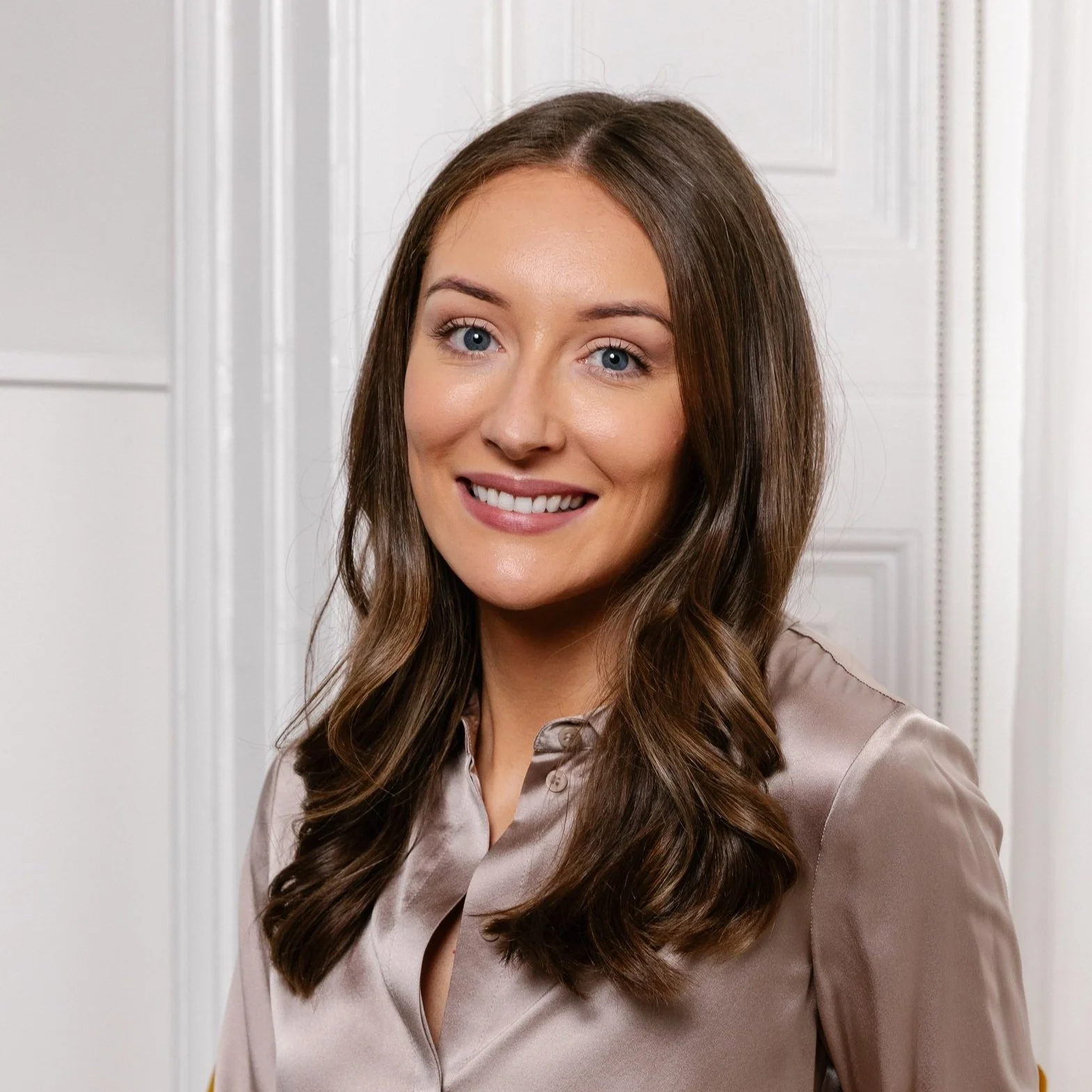
Emma O’Dwyer
Speech and Language Therapist, IBCLC Lactation Consultant and Founder of Baby Speak